

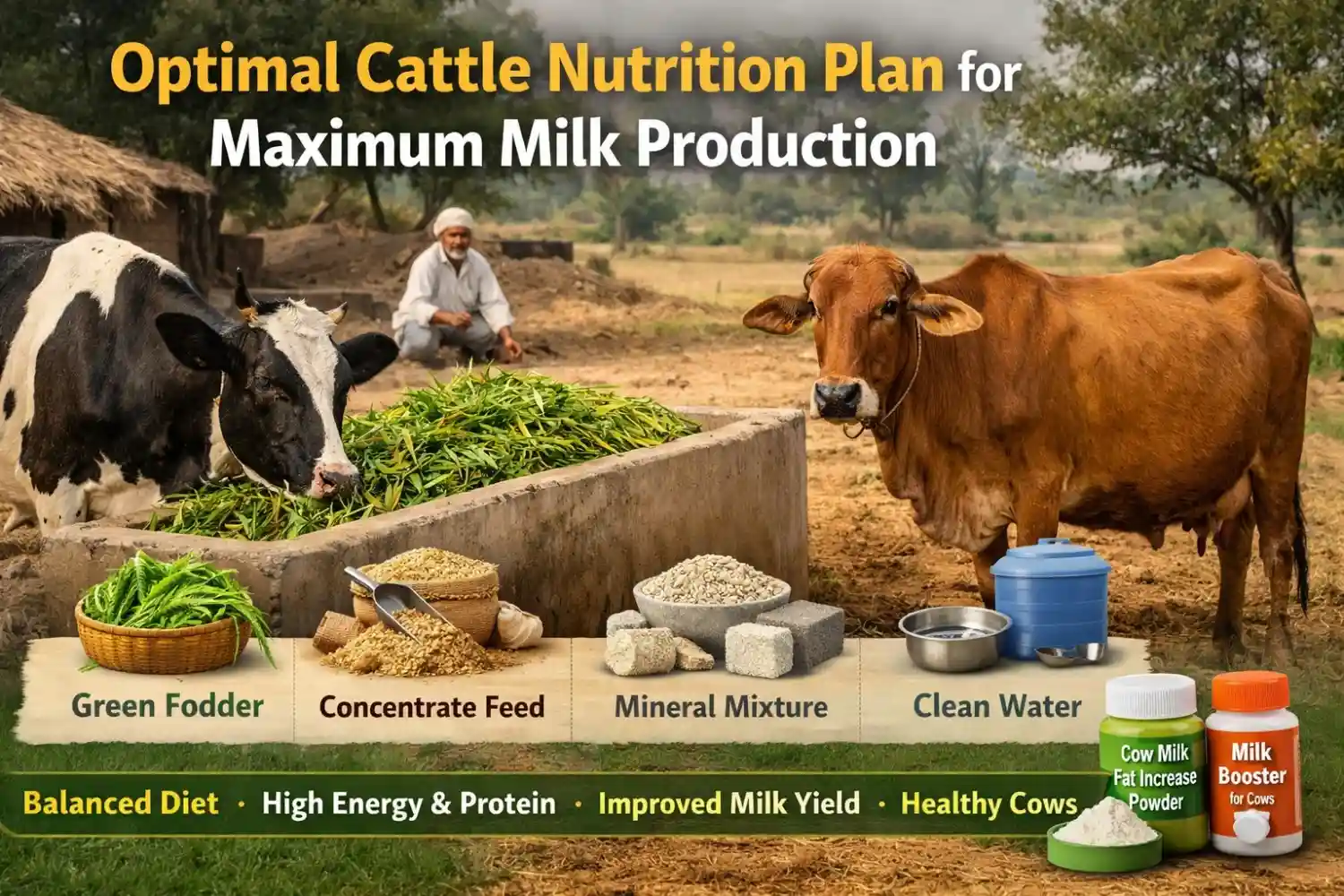
Milk production in dairy cows depends largely on proper nutrition. Genetics, breed, and farm management matter, but feeding plays the most important role in achieving consistent and high milk yield. In India, where dairy farming ranges from small household units to large commercial farms, choosing the right cattle nutrition plan can make a significant difference in profitability and herd health. Many farmers also explore options like a milk booster for cows, but supplements work best only when the base diet is properly balanced.
A scientific cattle nutrition plan ensures that cows receive the right amount of energy, protein, minerals, vitamins, and fibre according to their stage of lactation. Feeding without a structured plan often leads to low milk yield, poor milk fat percentage, reproductive issues, and health disorders.
Understand the Lactation Stage
The first step in selecting the right nutrition plan is identifying the cow’s stage of lactation:
Early Lactation (0–90 days):
Milk production is at its peak. Cows require high energy and protein to support milk output and prevent weight loss.Mid Lactation (90–180 days):
Milk yield stabilizes. Balanced feeding maintains production and body condition.Late Lactation (180 days onwards):
Focus shifts toward maintaining health and preparing the cow for the next calving cycle.Dry Period:
Proper nutrition during this time improves future milk production and reduces calving complications.
Feeding the same ration throughout the year without considering lactation stage can reduce performance. Adjusting the ration according to production levels is essential.
Balance Roughage and Concentrates
A good nutrition plan always begins with quality roughage.
- Green Fodder: – Fresh green fodder like maize, jowar, bajra, and hybrid napier provides essential vitamins and improves digestion.
- Dry Fodder: – Wheat straw and paddy straw supply fibre, which is necessary for proper rumen function.
- Concentrate Feed: – Concentrates provide energy and protein. They usually include maize, oil cakes, bran, and mineral mixtures.
The general rule followed in Indian dairy farms is:
- Provide 1 kg concentrate for every 2–2.5 litres of milk produced, along with maintenance feed.
An imbalance between roughage and concentrate can reduce milk fat percentage and affect rumen health.
Focus on Protein and Energy Requirements
Milk production demands high protein and energy levels. Deficiency in protein leads to:
- Low milk yield
- Reduced growth in young animals
- Poor reproductive performance
Energy deficiency may cause weight loss and metabolic disorders.
Oil cakes such as mustard cake, soybean meal, and groundnut cake are commonly used protein sources in India. Proper formulation ensures cows convert feed efficiently into milk.
Do Not Ignore Mineral Mixture
Mineral deficiency is common in Indian dairy cattle due to soil nutrient imbalance. Essential minerals include:
- Calcium
- Phosphorus
- Magnesium
- Zinc
- Copper
A good mineral mixture prevents issues like milk fever, weak bones, low fertility, and reduced milk production. Adding a balanced mineral supplement daily is a simple and cost-effective step.
Improve Milk Fat and SNF Naturally
Milk price in India often depends on fat and SNF percentage. Feeding strategies that improve milk fat include:
- Adequate fibre in diet
- Balanced oilseed cakes
- Good rumen health
Some farmers consider targeted supplements that support milk quality, but they should complement proper nutrition rather than replace it. Maintaining rumen balance is the key factor behind improving fat levels naturally.
Ensure Clean Water Availability
Water is often overlooked in cattle feeding programs. A lactating cow can drink 60–80 litres of water per day depending on temperature and milk yield. Insufficient water intake directly reduces milk output.
Always provide:
- Clean water
- Fresh supply multiple times daily
- Easy access in the shed
During summer in India, water management becomes even more critical.
Consider Breed-Specific Needs
Different breeds have different nutritional needs:
- Indigenous breeds like Gir and Sahiwal may require moderate energy levels.
- Crossbred cows such as HF cross often demand higher energy and protein due to greater milk potential.
A one-size-fits-all feeding system is not ideal. Consult an animal nutritionist or veterinarian for breed-based formulation.
Monitor Body Condition Score
Body Condition Score (BCS) helps determine whether cows are underfed or overfed.
- Too thin: Increase energy and protein.
- Too fat: Reduce concentrate and adjust feeding.
Maintaining an ideal BCS improves milk production and reproductive efficiency.
Seasonal Feeding Adjustments
Indian dairy farms face extreme weather conditions. Seasonal planning is necessary:
Summer:
- Provide green fodder with high moisture content
- Add electrolytes if needed
- Feed during cooler hours
Winter:
- Increase energy density
- Ensure adequate dry fodder
Monsoon:
- Avoid fungal-contaminated feed
- Store dry feed properly
Seasonal management ensures consistent milk yield throughout the year.
Evaluate Feed Quality Before Buying Supplements
Before investing in any feed supplement:
- Check manufacturer credibility
- Look at ingredient composition
- Avoid products with unclear labelling
- Ensure FSSAI or relevant certifications
Quality matters more than quantity. Supplements work effectively only when combined with proper feeding practices and hygiene.
Track Milk Yield and Adjust Ration
Regular monitoring helps identify whether the nutrition plan is effective.
Keep records of:
- Daily milk yield
- Milk fat percentage
- Feed intake
- Health status
If milk production drops suddenly, evaluate feed quality, water intake, and animal health.
Long-Term Approach for Sustainable Dairy Farming
Maximum milk production is not achieved overnight. It requires:
- Balanced ration
- Consistent feeding schedule
- Disease prevention
- Proper housing
- Stress management
Farmers who focus on long-term nutrition planning often achieve better profitability and herd performance.
When structured feeding is combined with strategic supplementation, dairy farmers can improve milk yield and quality effectively. A scientifically designed ration may include carefully selected feed additives such as a cow milk fat increase powder, but these should always be part of a balanced and well-managed feeding system rather than a quick solution.
Conclusion
Choosing the right cattle nutrition plan is the foundation of maximum milk production. A well-balanced ration tailored to lactation stage, breed, and season ensures better yield, improved milk fat, and healthier animals. Indian dairy farmers who focus on structured feeding, quality supplements, and regular monitoring can achieve sustainable and profitable dairy operations.
What is the best cattle feed formula for high milk production in India?
A balanced cattle feed formula includes green fodder, dry fodder, concentrate mix, and mineral mixture. The exact ratio depends on lactation stage, breed, and milk yield capacity.
How can I improve milk fat percentage naturally?
Improving milk fat percentage naturally involves increasing fibre intake, maintaining rumen health, providing quality oilseed cakes, and ensuring consistent feeding management.
How much concentrate should a lactating cow receive daily?
A lactating cow typically receives 1 kg of concentrate for every 2–2.5 litres of milk produced, along with maintenance feed requirements.
Are mineral mixtures necessary for dairy cows?
Yes, mineral mixtures are essential for preventing calcium deficiency, fertility problems, and low milk yield. They support overall cattle health and milk quality improvement.
How does seasonal feeding affect dairy cow productivity?
Seasonal feeding management ensures cows receive adequate nutrients despite heat stress, cold weather, or monsoon-related feed challenges, helping maintain consistent milk production.